
Solar Wall Light Company Tips for Choosing Energy-Efficient Outdoor Lighting
2026-08-25
Choosing energy-efficient outdoor lighting shouldn't feel like a gamble, yet many homeowners end up with solar wall lights that fade fast or barely hold a charge. If you're tired of replacing fixtures every season, it's time to look beyond the packaging. SRS, a solar wall light company with years of field testing, knows exactly which details separate durable, low-energy performers from shiny disappointments. Before you make your next purchase, here are the practical tips that will keep your exterior bright, your energy bills low, and your nights worry-free.
Lumens per Watt: The Number That Actually Matters
Watts tell you how much electricity a bulb pulls from the socket, but lumens per watt tells you how hard that electricity is actually working. A high-lumen, high-wattage bulb can still be an efficiency disaster if the ratio is poor. Conversely, a modest 9-watt LED that pushes out 800 lumens is quietly embarrassing older 60-watt incandescents that needed six times the power for the same brightness.
This metric is especially useful once you stop comparing bulbs by wattage alone. Two fixtures can both draw 10 watts, yet one might deliver 60 lumens per watt while another manages 110. That difference compounds across every fixture in a house, adding up to real money on a utility bill without changing how bright a room feels. It's not a spec to glance at once; it's the quickest way to separate genuinely efficient lighting from marketing fluff.
Practical shopping advice usually stops at "look for LEDs," but that’s too blunt. Lumens per watt varies among LEDs, and it degrades slightly as bulbs age or run hot. If you're choosing between two bulbs with similar color temperature and beam angle, the one with the higher lumens per watt is almost always the better long-term buy—less heat, lower energy use, and zero sacrifice in light output.
Panel Size and Sunlight Exposure: Not All Roofs Are Equal
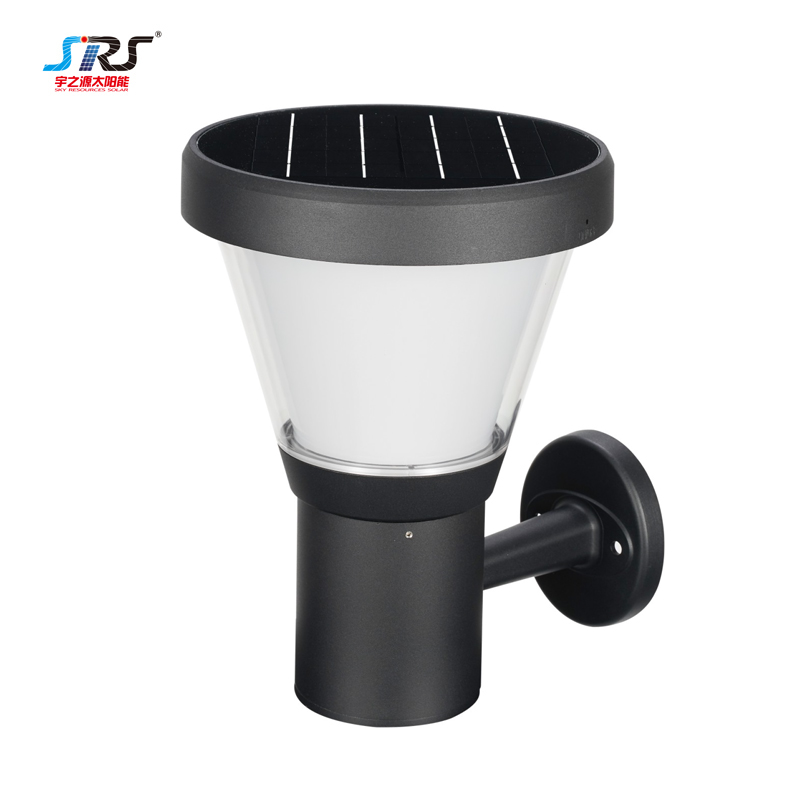
A roof that bakes in full sun for six hours behaves very differently from one shaded by a neighbor's oak tree after noon. Panel size often gets treated as a one-size-fits-all decision, but the reality is that available square footage and the pattern of direct light both shape what actually works.
Larger panels can produce more power per unit, but they may be a poor fit for roofs cut up by dormers, vents, or skylights. In those cases, smaller high-efficiency panels often outperform a handful of big ones squeezed into suboptimal spots. A south-facing slope with no shade might comfortably hold a standard 400-watt panel, while an east-facing section with morning-only sun may need a different layout altogether.
Sunlight exposure also shifts with the seasons, not just with roof shape. An area that gets strong midday light in summer can fall into shadow by late autumn. Matching panel dimensions to the actual lit area—not the total roof area—prevents wasted capacity and long-term underperformance. Installers who walk the roof at different times of day usually catch these mismatches early.
Battery Chemistry That Won't Quit After One Winter
Most lithium-ion cells lose a noticeable slice of their capacity after a single cold season, but the latest cathode coatings and electrolyte additives are changing that. Instead of relying on a single trick, manufacturers now pair low-temperature electrolytes with surface-stabilized nickel-rich cathodes. The result is a cell that holds its voltage curve steady even when overnight temperatures dip well below freezing.
One key shift is the move away from pure graphite anodes toward silicon-graphite blends that tolerate lithium plating better during cold charging. At the same time, new solvent blends keep the electrolyte fluid and conductive at minus twenty Celsius without sacrificing high-temperature stability. That balance means a pack can sit outside all winter, then deliver nearly the same range in spring as it did the previous autumn.
Testing data from recent prototype cells shows less than three percent capacity fade after repeated cold-soak cycles, compared with double-digit losses in older chemistries. For drivers in northern climates, that translates into fewer surprise range drops and a battery that still feels fresh when the first warm weekend finally arrives.
Motion Sensors vs. Dusk-to-Dawn: Which Mode Saves More?
At first glance, motion sensors seem like the obvious energy saver—lights stay off until someone walks by. But real-world savings depend heavily on how often that space actually gets used. In a rarely visited storage room, a motion sensor can cut lighting costs by over 80% compared to leaving a fixture on from sunset to sunrise. Yet in a busy hallway or a front porch where cats, cars, and swaying branches constantly trigger the sensor, the frequent on-off cycles add up, and the gap narrows considerably.
Dusk-to-dawn mode, on the other hand, offers predictability and uniform illumination—no dark patches when someone approaches, no delay before the bulb warms up. For security purposes, a constant glow can deter intruders more effectively than a light that only activates after motion is detected. The trade-off is straightforward: you pay for those extra hours. A 60-watt equivalent LED running from dusk to dawn might cost only a few dollars a year, but over multiple fixtures and seasons, that amount stacks up faster than most people expect.
The smarter choice often lies in combining both approaches. Use motion sensors for areas where activity is sporadic and brief, like side yards or garage interiors. Reserve dusk-to-dawn for high-traffic entryways or spots where continuous visibility matters more than a few kilowatt-hours. Some modern fixtures even let you switch modes seasonally—keeping dusk-to-dawn through winter's long nights, then flipping to motion sensing during summer. Ultimately, the mode that saves more isn't a universal answer; it's the one that matches how your space is actually used, not how a spec sheet assumes it will be.
Weatherproofing Beyond the IP Rating
An IP rating tells you how well a fixture handles splashes, dust, and brief submersion under controlled lab conditions. Real outdoor life is rarely that tidy. Snow melts into crevices, wind drives rain sideways through seams, and morning dew lingers long after the test chamber has dried. That’s why we look past the digits on a spec sheet and focus on how materials, gaskets, and drainage behave together over months of exposure, not minutes.
Take the lens seal, for instance. A high IP number might imply a tight gasket, but if the housing lacks proper weep holes or breather vents, trapped humidity can fog the glass or corrode internal contacts. We design for pressure equalization and gravity-assisted runoff, so water that sneaks in during a storm has a clear path back out. The goal isn’t to build a submarine—it’s to let the fixture breathe without drowning.
Then there’s the matter of what happens when temperatures swing. A housing that’s perfectly sealed at noon can pull moisture in as it cools at night, thanks to vacuum pressure. We counter that with hydrophobic membranes and silicone boots that flex rather than crack. In the end, weatherproofing beyond the IP rating is about accepting that nature doesn’t follow test protocols, and building fixtures that forgive the unexpected.
Placement Mistakes That Quietly Kill Efficiency
A desk shoved against the wall might feel cozy, but it quietly forces every glance, every reach, every swivel to travel a little farther than it should. The monitor angled slightly away from the chair, the phone tucked behind a stack of binders, the printer humming on the opposite side of the room—each choice seems trivial on its own, yet together they carve out small pockets of wasted motion that accumulate into real minutes lost across a workday. Efficiency isn't just about speed; it's about removing the silent drag of misplaced objects.
Consider the way a coffee mug drifts toward the edge of a desk, or how a filing cabinet ends up blocking the natural path to the door. These aren't conscious decisions most of the time—they're accidents of habit, left uncorrected because the cost feels invisible. But the body remembers. It learns to twist awkwardly for the stapler, to crane the neck for a second screen, to get up and cross the room for a document that could live in a drawer three inches away. Over weeks and months, that quiet inefficiency becomes a low-grade tax on focus, chipping away at the very clarity that a well-organized space is meant to protect.
The fix rarely requires a complete overhaul. It starts with walking through your own movements as if you were watching someone else: where does your hand hesitate? Which direction do your eyes dart when you need a tool? Small, deliberate relocations—a keyboard centered to the chair, a phone placed on the dominant side, a wastebasket within arm's reach—can collapse those hidden distances. The goal isn't perfection; it's removing the unnecessary negotiation between you and the things you use most often.
FAQ
Focus on the lumens per watt, not just total brightness. A high-efficiency LED paired with a monocrystalline solar panel will charge faster and use less energy for the same light output. Also check that the battery has a low self-discharge rate so it holds the charge overnight.
Placement is everything. A south-facing wall without shade from trees or eaves will give the panel several extra hours of direct sun. Even a 20-degree tilt toward the sun can noticeably boost charging, which means the light runs longer without drawing from any backup source.
Yes, but only if the light has a reliable sensor and a well-designed dim mode. A light that stays at 10-20% brightness until someone approaches uses a fraction of the energy of one that runs at full output all night. The key is to avoid models that trigger too easily from passing cars or small animals.
Definitely. Look for lithium iron phosphate (LiFePO4) batteries. They handle more charge-discharge cycles, work better in cold weather, and retain their capacity longer than older nickel-metal hydride or standard lithium-ion packs. A battery with a built-in overcharge and deep-discharge protection also prevents wasted energy.
It is possible, but you will need to adjust your expectations and maybe add a separate small panel if the fixture allows it. Choose a light with a high-efficiency panel and a larger battery reserve. Even in partial shade, a good MPPT charge controller can pull more usable power from the weak sunlight than a basic PWM controller.
Avoid lights that use inexpensive amorphous silicon panels, which lose efficiency quickly after the first year. Also skip models with non-replaceable batteries, because when the battery degrades the whole unit becomes useless. Overly bright, unfocused beams are another waste—opt for a light with a proper lens or reflector that puts the light where you need it.
Warmer color temperatures around 2700K to 3000K generally feel less harsh and allow you to use a lower lumen output while still seeing well at night. Cool white lights at 6000K might look brighter, but that is mostly glare, not useful illumination. Matching the color to the surface colors of your walls and paths can reduce the need for extra fixtures.
Yes, for long-term energy and cost savings. A replaceable lithium battery means the fixture can last many years rather than being thrown away after two or three. Many quality models have a battery compartment you can open with a screwdriver, so you can swap in a new cell and restore the original runtime.
Conclusion
Focus on lumens per watt rather than raw brightness. A 15W fixture that delivers 1200 lumens wastes far less energy than a 20W unit doing the same job. But that efficiency only matters if the panel can recharge the battery during the shortest days. Measure the actual panel surface area and watch how many hours of direct sun your wall receives—east-facing walls or deep overhangs often cause winter charging gaps that spec sheets ignore. Pair the panel with a LiFePO4 battery; it survives hundreds of deep-discharge cycles and freezing nights far better than standard lithium-ion or NiMH, so the unit won't die after one cold season.
Then pick the right mode. Dusk-to-dawn mode sounds convenient, but it wastes stored power illuminating empty driveways for hours each night; motion sensors typically cut nightly consumption by 70–80% in residential use. Whichever mode you choose, look beyond the IP65 label. Check for a separate silicone gasket on the battery compartment, stainless steel screws, and a lens design that won't trap condensation. Finally, avoid placement errors that quietly kill performance: mounting above head height shrinks the motion detection zone, angling the panel toward the wall loses reflected light instead of capturing it, and installing under an existing porch light confuses the photocell. A slight downward tilt of the panel toward the sun's path often adds a full hour of runtime.
Contact Us
Contact Person: kitty
Email: [email protected]
Tel/WhatsApp: +8618676039824
Website: https://www.srssolargroup.com/