

How Does a Mobile Phone Camera Lens Improve Smartphone Photography?
2026-05-28
Modern smartphones have transformed the way people capture memories, create content, and communicate visually. Behind every sharp portrait, cinematic video, and detailed night shot is a high-performance Mobile Phone Camera Lens. From lens materials and optical coatings to autofocus systems and image stabilization, mobile camera lens technology directly impacts image quality and user experience.
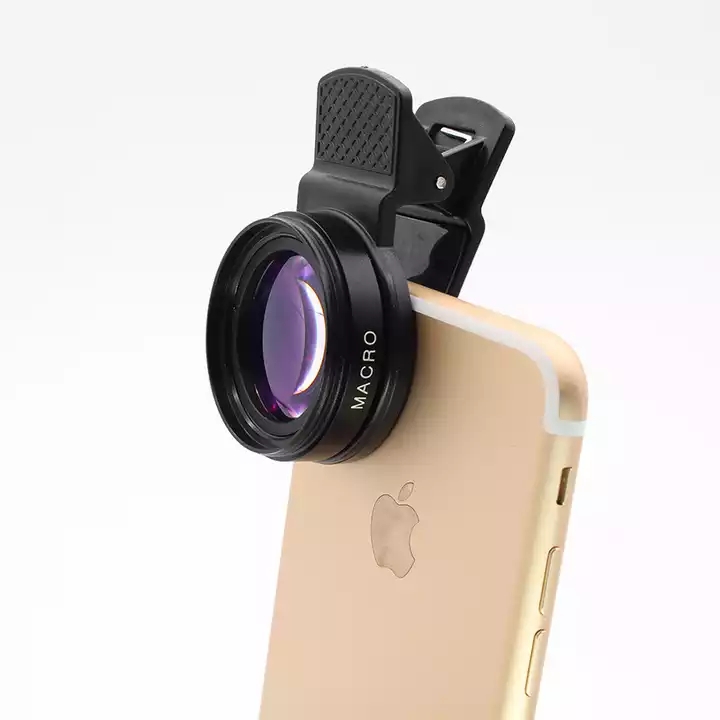
This article explores how mobile phone camera lenses work, what features matter most, common customer pain points, and how manufacturers like BOSHI LENS help brands and device makers achieve professional imaging performance in compact smartphone designs.
Table of Contents
- Why Mobile Phone Camera Lenses Matter
- How a Mobile Phone Camera Lens Works
- Different Types of Smartphone Camera Lenses
- Key Features to Consider
- Common Customer Pain Points
- Lens Materials and Optical Coatings
- Future Trends in Mobile Lens Technology
- How to Choose the Right Lens Supplier
- FAQ
- Contact Us
Why Mobile Phone Camera Lenses Matter
Consumers increasingly rely on smartphones for photography instead of traditional cameras. Social media creators, travelers, businesses, and everyday users all expect high-quality imaging from compact devices.
A smartphone camera sensor alone cannot deliver professional results. The lens determines how light enters the sensor, how details are preserved, and how accurately colors and focus are reproduced.
A premium Mobile Phone Camera Lens helps improve:
- Image sharpness
- Low-light performance
- Color accuracy
- Autofocus speed
- Video stabilization
- Portrait depth effects
- Wide-angle image correction
As smartphone competition becomes more intense, camera performance is now one of the most important factors influencing purchasing decisions.
How a Mobile Phone Camera Lens Works
A mobile phone camera lens controls and directs incoming light onto the image sensor. Multiple optical lens elements are combined together to reduce distortion, improve clarity, and optimize focus.
The process generally includes:
- Light enters through the lens surface
- Optical elements bend and focus the light
- Coatings reduce reflections and glare
- The image sensor captures the focused image
- Software processing enhances final image quality
Modern smartphones often integrate advanced lens assemblies with multiple layers to achieve DSLR-like image effects in an extremely compact space.
| Component | Function |
|---|---|
| Lens Elements | Focus and shape incoming light |
| Optical Coating | Reduce glare and improve transmission |
| Aperture | Control light intake |
| Autofocus Module | Ensure image sharpness |
| Image Sensor | Convert light into digital images |
Different Types of Smartphone Camera Lenses
Modern smartphones often use multiple lenses to support different photography scenarios.
Wide-Angle Lens
The primary lens used for everyday photography. It provides balanced image quality and natural perspective.
Ultra-Wide Lens
Ideal for landscapes, architecture, and group photos. It captures a larger field of view.
Telephoto Lens
Designed for zoom photography with improved detail retention compared to digital zoom.
Macro Lens
Captures close-up details such as flowers, textures, and small objects.
Depth Sensor Lens
Enhances portrait effects and background blur accuracy.
Key Features to Consider
When evaluating a Mobile Phone Camera Lens, manufacturers and buyers should focus on several critical specifications.
| Feature | Importance |
|---|---|
| Resolution | Determines image detail and clarity |
| Aperture Size | Affects low-light performance |
| Optical Stabilization | Reduces blur during movement |
| Autofocus Speed | Improves shooting responsiveness |
| Distortion Control | Maintains accurate image geometry |
| Lens Coating | Enhances light transmission |
High-end smartphone brands often invest heavily in advanced optical engineering to differentiate their products in the market.
Common Customer Pain Points
Many smartphone users experience image quality issues caused by low-grade camera lenses.
Common problems include:
- Blurry photos in low light
- Poor edge sharpness
- Lens flare and ghosting
- Slow autofocus performance
- Image distortion in wide-angle shots
- Weak video stabilization
- Color inconsistency
Manufacturers solve these challenges through advanced lens design, precision molding, optical calibration, and multi-layer coating technologies.
BOSHI LENS focuses on producing reliable optical solutions that support stable imaging performance while maintaining compact smartphone dimensions.
Lens Materials and Optical Coatings
Lens material selection significantly impacts durability, weight, and image performance.
Common materials include:
- Plastic optical lenses
- Hybrid glass-plastic lenses
- High-transparency resin materials
- Aspherical lens structures
Advanced optical coatings help reduce unwanted reflections while improving contrast and image brightness.
Benefits of high-quality coatings include:
- Reduced glare
- Improved color consistency
- Higher light transmission
- Better night photography
- Enhanced scratch resistance
Future Trends in Mobile Lens Technology
The smartphone imaging industry continues evolving rapidly.
Several emerging trends are shaping the future of mobile phone camera lenses:
- Periscope zoom technology
- AI-assisted imaging optimization
- Larger aperture systems
- Ultra-thin lens modules
- Improved computational photography integration
- Higher megapixel compatibility
- Enhanced low-light imaging performance
As content creation and mobile video consumption continue growing worldwide, demand for premium camera modules will remain strong.
How to Choose the Right Lens Supplier
Selecting the right supplier is critical for smartphone brands, camera module manufacturers, and electronics companies.
Important evaluation criteria include:
- Manufacturing precision capabilities
- Optical engineering expertise
- Product consistency
- Customization support
- Mass production stability
- Quality inspection systems
- Technical support responsiveness
BOSHI LENS provides customized mobile camera lens solutions designed for modern smartphone applications. With advanced manufacturing technology and strict quality control processes, the company supports customers seeking reliable imaging performance and long-term product stability.
FAQ
What is the most important factor in a mobile phone camera lens?
Optical quality, aperture size, autofocus performance, and lens coating are among the most important factors affecting image quality.
Why do smartphones use multiple camera lenses?
Different lenses support different photography modes such as ultra-wide shots, zoom photography, macro imaging, and portrait effects.
Can lens quality improve low-light photography?
Yes. High-quality lenses improve light transmission and reduce noise, helping smartphones capture brighter and clearer night images.
What causes blurry smartphone photos?
Blur can result from poor autofocus systems, unstable shooting conditions, weak stabilization, or low-quality lens components.
How long do smartphone camera lenses last?
High-quality lenses can maintain stable performance for many years when protected from scratches, moisture, and impact damage.
Contact Us
If you are looking for high-performance Mobile Phone Camera Lens solutions for smartphones, smart devices, or customized imaging applications, BOSHI LENS can provide professional support and reliable manufacturing capabilities.
Whether you need customized optical solutions, large-scale production support, or technical consultation, feel free to contact us for more information.