

What Makes a Glass Chimney Kerosene Heater a Smart Choice Today?
2025-11-04
A Glass Chimney Kerosene Heater is a heating appliance that burns kerosene fuel to produce radiant and convective warmth, with a transparent, heat-resistant glass cylinder (chimney) enclosing the flame. This glass chimney directs airflow, stabilizes combustion, and offers safety by shielding the flame from drafts.
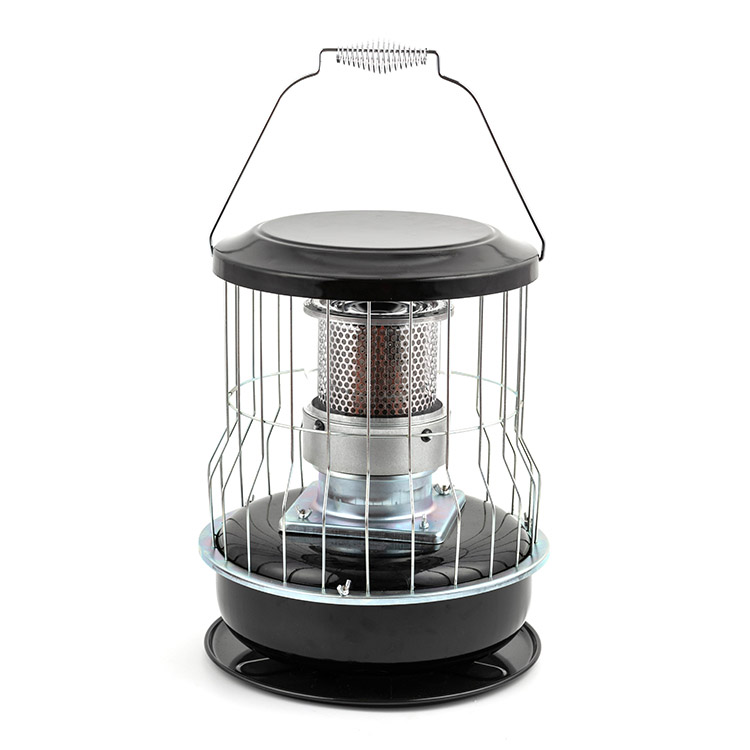
Below is a representative specification table (for one model range) to ground the discussion in concrete numbers:
| Parameter | Typical Value / Range |
|---|---|
| Fuel Type | Refined 1-K kerosene |
| Heating Output | 2.5 kW – 4.6 kW |
| Fuel Tank Capacity | 4.5 – 6.0 liters |
| Continuous Runtime per Fill | 10 – 16 hours |
| Ignition System | Automatic piezo / push-button |
| Chimney Material | Heat-resistant tempered or borosilicate glass |
| Safety Features | Tip-over cut-off, flame regulator, air-flow vents |
| Weight | 7 – 10 kg |
| Portability | Built-in handle, compact footprint |
| Dimensions | Compact form (varies by model) |
With this as backdrop, the following sections delve into the what / why / how framework, plus a look ahead and FAQ.
What is a Glass Chimney Kerosene Heater (and how does it work)?
-
Core principle
The device burns kerosene fed by a wick that draws fuel via capillary action. The flame is enclosed by a cylindrical glass chimney that induces an updraft, improving combustion stability and directing hot air flow outward. The chimney also protects the flame from drafts, reducing flicker or flame blowout. -
Airflow and combustion control
The glass chimney creates a low-pressure zone above the flame, pulling ambient air through intake vents to the combustion zone. Proper airflow ensures a steady, smokeless burn and better heat efficiency. -
Radiative plus convective heating
Heat is delivered via infrared (radiant) warming of nearby surfaces and by convective circulation of air warmed around the chimney. This mixed-mode heating helps warm both objects and ambient air. -
Safety and control mechanisms
Modern units include safety switches (e.g. tip-over sensor), flame regulators to adjust the wick height and flame size, and ventilation design to avoid backdrafts. Some models use borosilicate or tempered glass for the chimney to resist thermal stress. The chimney must be properly seated and sized to maintain draft and avoid “candle in wind” effects. -
Common enhancements
Some models adopt low-CO emission designs or extended burn time (e.g. “up to 40 hours” claims in some listings) by optimizing wick design, airflow, and chimney geometry.
Why choose a Glass Chimney Kerosene Heater? )
Advantages
-
Reliable even during power outages
Because operation is purely fuel-based (no electricity needed, apart from optional ignitor), the heater continues functioning when electric power fails — an important benefit for homes in regions with unstable grids or during emergencies. -
Fuel cost efficiency
Kerosene is often cheaper per unit of heat output compared to electric heating in many markets. Long burn times per fill also reduce refilling frequency. -
Stable, flicker-free heat output
The glass chimney’s draft effect stabilizes the flame against air currents, reducing flicker and improving thermal consistency. -
Improved safety compared to open flame
The glass cylinder shields the flame, reducing the chance of accidental contact or flame disruption from drafts. In addition, many units include tip-over cut-offs and flame regulators. -
Portability and modular use
Compact design and built-in handles make relocation easy (e.g. from room to room or during outages). Some models suit semi-outdoor or workshop use. -
Low odor and cleaner burn (if properly used)
Correct wick adjustment, quality fuel, and optimal chimney draft reduce smoke, soot, and odor. Some upgraded designs aim for lower carbon monoxide emissions. -
Visual appeal and ambiance
The visible flame enclosed in glass offers aesthetic warmth, sometimes used in cabin, cottage, or decorative settings.
Use Cases Where It Excels
-
Off-grid homes, cabins, rural housing
-
Emergency heating in blackout conditions
-
Workshops, garages, sheds without wired heating
-
Supplemental heat in older houses or zones far from central HVAC
-
Portable backup in colder seasons
Tradeoffs / Risks to Manage
-
Ventilation and CO risk
Incomplete combustion or oxygen depletion in closed rooms can produce dangerous levels of carbon monoxide. Use only in ventilated spaces (a partially open window or vent) and never leave unattended. -
Fuel handling and storage
Kerosene must be stored safely; contamination or use of impure fuel can cause soot, smoke, or engine malfunction. -
Thermal stress and glass breakage
The chimney glass undergoes repeated heating and cooling; quality materials (tempered, borosilicate) and careful handling are essential. -
Maintenance requirement
Wicks need trimming or replacement; chimney must be cleaned or replaced if soot accumulates or cracks develop. -
Moisture production
Combustion produces water vapor, which may raise indoor humidity in highly sealed homes. A slight opening to exterior or occasional ventilation is needed. -
Limited output compared to large systems
In very large spaces, multiple units or supplemental heating may still be needed.
How to Choose, Use, and Maintain a Glass Chimney Kerosene Heater
Selection criteria
-
Heating capacity matching room size
Select a model whose kW output or BTU rating suits the square footage of the target room. Over- or under-sizing leads to inefficiency or underperformance. -
Fuel tank and runtime
Longer runtime (10–16 hours or more) is more convenient for overnight heating or extended use. -
Chimney glass quality
Prefer tempered or borosilicate glass to resist thermal shock. Ensure uniform thickness and freedom from bubbles or streaks. -
Safety features
Tip-over switch, flame regulator, air vents, stable base, secure chimney mounting — all vital. -
Ease of maintenance
Removable chimney, accessible wick, replacement parts availability (chimney collars, wicks) matter. Glass chimney collars (e.g. model 01-0505) are commonly available for indoor kerosene heaters. -
Emission controls
Some newer models aim for lower carbon monoxide or cleaner emissions — worth investigating for indoor health. -
Compactness & portability
Weight, footprint, handle design, and balance affect usability in tight spaces.
Installation and Operation Guidelines
-
Place the heater on a stable, non-combustible surface, clear of curtains, papers, or flammable material.
-
Ensure partial ventilation (e.g. slightly open window or vent) to allow fresh air and avoid CO accumulation.
-
When lighting for the first time, consider igniting outdoors or in a ventilated zone until the smell dissipates (initial rich combustion phase)
-
Adjust wick gradually. Too much wick height = smoke / soot; too little = weak flame. Proper wick adjustment is key to optimal performance and low odor.
-
Do not leave heater unattended, especially during sleeping, unless the model is certified safe for night use.
-
Monitor fuel level; avoid running completely dry (which may damage wick or burner).
-
Clean chimney periodically: soot, creosote, or deposits reduce airflow and efficiency.
-
Replace the chimney if cracks, stress lines, or discoloration appear. Also ensure the chimney sits firmly in collar grooves so airflow is controlled. A poorly seated chimney introduces cross-draft and degrades flame stability.
-
Replace wicks when they lose capillary action or char excessively.
Maintenance Checklist & Schedule
-
Weekly: inspect and clean chimney glass, check wick height, remove deposits
-
Monthly: deep clean burner area, wick trimming or replacement if needed
-
Seasonally: inspect chimney for microcracks, verify all safety features, test tip-over switch
-
Every few years: replace chimney or critical parts if aging or damage observed
What are the Trends and Innovations for Glass Chimney Kerosene Heaters?
What future developments can be expected?
-
Cleaner combustion & emission control
Stricter indoor air quality demands will drive design of lower-CO, lower-odor models. Advanced wick geometry, improved airflow paths, and catalytic elements may emerge to reduce emissions. -
Smart controls and hybridization
Though kerosene heaters are inherently standalone, integration with sensors (CO detectors, oxygen sensors) and smart feedback may optimize burn cycles and safety. Hybrid models combining minimal electric assist or fans (with low power draw) may appear to improve heat distribution. -
Longer burn durations & fuel efficiency
Better wick materials, improved insulation of combustion chamber, and optimized chimney drafting could extend runtime beyond 16 hours, even reaching multi-day operation. -
Advanced glass materials
Use of novel heat-resistant glass composites or coatings that reduce soot adhesion or reflect unwanted infrared will increase durability and clarity. -
Modular or multi-fuel flexibility
Some designs may accept kerosene or cleaner alternatives (e.g. bio-kerosene) to adapt to evolving fuel markets or regulatory constraints. -
Miniaturization and portable emergency units
For camping or off-grid use, compact chimney-enclosed kerosene heaters may gain traction as backup or expedition gear. -
Regulatory and safety compliance push
Increased indoor air and fire safety standards may lead to certifications (e.g. UL, CE) mandating pressure tests, CO sensors, or secondary safety systems — raising consumer confidence. -
Market synergy with renewable heating
Although a fossil-fuel device, kerosene heaters may become fallback options in hybrid systems (solar + electric + kerosene), particularly in cold climates with power constraints.
Why will these matter?
With rising concern about indoor air quality, energy resilience, and off-grid capability, a Glass Chimney Kerosene Heater that can deliver cleaner, safer, smarter performance will stand out. The niche of heating that does not rely on the grid makes this class of products a key component in resilient home systems.
Frequently Asked Questions (FAQ)
Q: Is it safe to use a glass chimney kerosene heater indoors?
A: Yes, when used properly. Provide ventilation (a slightly open window or vent), ensure the chimney is well seated, adjust the wick correctly, and do not leave it unattended. Most models include tip-over cut-off mechanisms to shut off fuel in accidents.
Q: How long will a single tank of kerosene last?
A: Depending on model size, fuel tank capacity, and burning rate, one refill typically lasts between 10 to 16 hours. Advanced designs may stretch this further by optimizing combustion and chimney draft.
Conclusion & Brand Positioning
A Glass Chimney Kerosene Heater presents a reliable, efficient, and visually appealing heating solution especially suited for power-off conditions, remote locations, or backup scenarios. By combining radiant and convective heating with a stabilized glass enclosure, it offers a balance of performance and safety. Innovations in emission control, smart integration, and longer runtimes will shape its evolution.
For customized models, detailed specifications, and global supply, Ningbo Zhongze Electronics Co., Ltd. stands ready to meet your needs with decades of expertise in heating technology. Contact us for consultation, volume pricing, or technical support — contact us today.