What Makes Modern Lighting Fixtures the Future of Illumination?
2025-11-13
Lighting fixtures are more than simple sources of light—they are essential elements that define the mood, energy efficiency, and aesthetic appeal of every environment. From residential interiors to commercial and industrial spaces, the right lighting fixture determines how well a space functions, feels, and even saves energy. Modern lighting fixtures combine art and technology, featuring advanced materials, energy-saving LED systems, and intelligent controls that align with contemporary architectural and environmental standards.
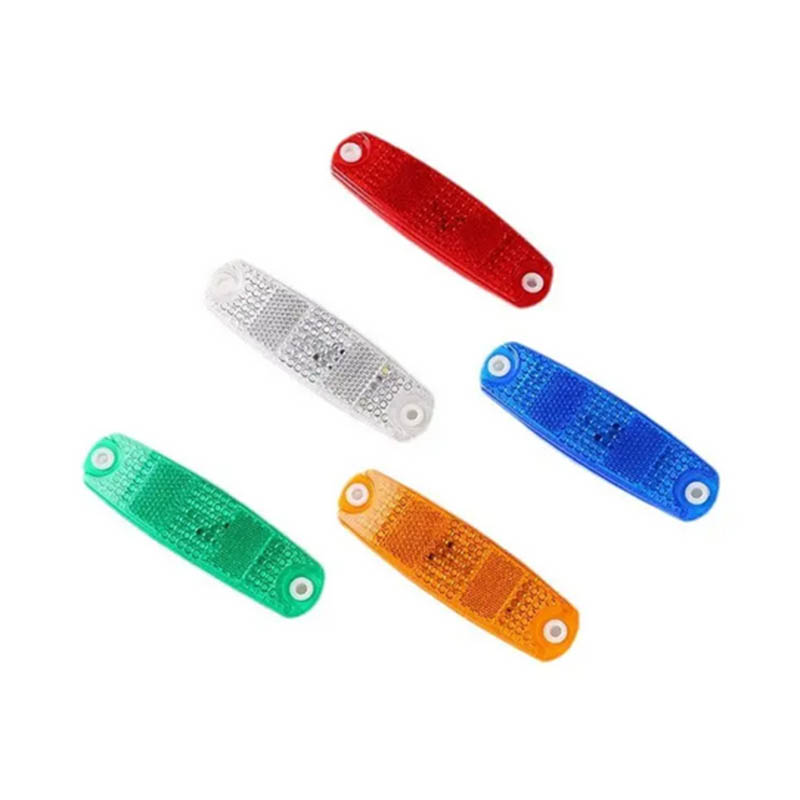
Lighting fixtures serve multiple purposes: illumination, decoration, safety, and efficiency. They include a wide range of products such as chandeliers, pendant lamps, wall sconces, recessed lights, track lighting, and outdoor floodlights. Each type of fixture plays a unique role in creating optimal brightness and visual comfort.
In today’s market, consumers are shifting toward sustainable and aesthetically versatile options. This evolution is driven by increasing awareness of environmental protection and advancements in lighting technologies. Manufacturers are now integrating smart systems and durable components that provide longer lifespan and reduced maintenance costs, ensuring users enjoy both style and performance.
Below is a detailed overview of key product parameters that define modern lighting fixtures:
| Parameter | Description |
|---|---|
| Material | Aluminum, stainless steel, glass, polycarbonate, or die-cast metal |
| Light Source | LED, CFL, halogen, or smart lighting modules |
| Color Temperature | 2700K–6500K (warm white to cool daylight) |
| Power Range | 5W–200W (depending on fixture type and application) |
| Input Voltage | AC 85–265V / DC 12–24V |
| Luminous Efficiency | 80–150 lm/W |
| IP Rating | IP20–IP67 (for indoor and outdoor models) |
| Mounting Type | Ceiling, wall, pendant, surface, or recessed installation |
| Lifespan | 30,000–60,000 hours |
| Control Options | Manual, remote, dimmable, or smart app-controlled |
Modern lighting fixtures are designed to complement both functional and decorative needs. Whether used in a cozy living room, a corporate office, or a public outdoor area, they improve visibility while enhancing the atmosphere and style of the environment.
Why Are Lighting Fixtures Important for Energy Efficiency and Design Integration?
Energy efficiency and visual comfort are now leading priorities in lighting design. Traditional incandescent bulbs have been replaced by LED lighting fixtures that consume up to 80% less energy. LEDs not only reduce power bills but also lower carbon emissions, supporting global sustainability goals.
Lighting fixtures with high luminous efficacy provide brighter illumination with minimal heat output, making them suitable for diverse applications—from architectural highlights to task lighting in commercial areas. Smart control systems allow users to adjust brightness and color temperature according to the time of day or specific tasks, ensuring a balance between comfort and functionality.
Aesthetic integration is another key factor. Lighting is no longer an afterthought in interior and exterior design. Modern fixtures are crafted with architectural intent—using sleek finishes, modular structures, and customizable options that blend seamlessly with furniture, textures, and building geometry. For example:
-
Minimalist ceiling fixtures enhance clean and contemporary interiors.
-
Decorative pendant lights create focal points in restaurants or hotel lobbies.
-
Industrial track systems add flexibility in commercial spaces.
-
Outdoor fixtures with weatherproof ratings provide safety and beauty for gardens, pathways, and façades.
The advancement in smart lighting systems has revolutionized the way fixtures interact with users. Sensors detect motion and ambient light levels, automatically adjusting brightness for energy conservation. Bluetooth and Wi-Fi connectivity allow homeowners and facility managers to control multiple fixtures through mobile apps or voice commands.
Furthermore, the long lifespan of LED-based fixtures drastically reduces replacement frequency, minimizing waste and operational costs. These innovations position modern lighting fixtures not only as illumination devices but as intelligent components of sustainable living environments.
How Are Lighting Fixtures Shaping Future Trends in the Industry?
The future of lighting is defined by technological innovation, sustainability, and personalization. The market is evolving rapidly as new materials, smart integration, and eco-conscious designs emerge. Below are some of the dominant trends shaping the lighting fixture industry:
1. Smart and Connected Lighting
Intelligent lighting systems equipped with IoT connectivity allow remote control, scene customization, and automation. Integration with voice assistants such as Alexa or Google Home enables users to manage brightness and schedules effortlessly. These systems are especially popular in smart homes and modern commercial spaces, where convenience and efficiency are priorities.
2. Human-Centric Lighting
This trend emphasizes lighting that supports human well-being. Fixtures with tunable white technology mimic natural daylight cycles, improving concentration during the day and relaxation at night. Research shows that proper lighting directly affects mood, productivity, and even sleep quality.
3. Sustainable and Recyclable Materials
Environmental responsibility drives manufacturers to adopt recyclable materials such as aluminum, glass, and biodegradable plastics. Low-VOC finishes and modular designs further promote sustainability. Many companies are also focusing on repairable structures, allowing users to replace components instead of discarding the entire fixture.
4. Minimalist and Architectural Design
The visual trend is shifting toward simple, geometric, and architectural forms. Linear lights, recessed strips, and flush-mount fixtures dominate both residential and commercial interiors due to their clean aesthetic and versatility.
5. Enhanced Color Rendering and Customization
New LED technologies now offer higher color rendering indexes (CRI 90+), which reproduce colors more accurately and vividly. Customizable color temperatures and dynamic RGB lighting are also gaining popularity in retail and hospitality environments.
6. Integration with Renewable Energy
Solar-powered outdoor fixtures are becoming mainstream, especially in regions promoting renewable energy usage. These fixtures store solar energy during the day and provide illumination at night, offering a zero-energy-cost solution for outdoor applications.
As the global market continues to evolve, the lighting industry will increasingly merge sustainability with digital control, paving the way for eco-smart environments.
Frequently Asked Questions About Lighting Fixtures
Q1: How do I choose the right lighting fixture for my space?
A: Choosing the right lighting fixture depends on the function, size, and design of the space. Start by defining the purpose—ambient, task, or accent lighting. For instance, recessed lights are ideal for general illumination in large rooms, while pendant lights work best over dining tables or kitchen islands. Consider the color temperature: warm white (2700K–3000K) creates a cozy ambiance, while cool white (4000K–6500K) is suitable for workspaces. Also, ensure the fixture’s lumen output matches the room’s lighting requirement, and check for compatibility with dimmers or smart controls for flexibility.
Q2: Why are LED lighting fixtures preferred over traditional options?
A: LED fixtures offer superior efficiency, durability, and versatility. They consume significantly less energy, converting most electricity into light rather than heat. Their lifespan can exceed 50,000 hours, drastically reducing replacement frequency. Additionally, LEDs are available in various color temperatures, making them suitable for different environments. Unlike traditional bulbs, LEDs do not contain hazardous substances like mercury and are fully recyclable. This combination of performance, sustainability, and design flexibility makes LEDs the preferred choice for modern lighting systems.
Q3: How can lighting fixtures improve both comfort and energy management?
A: By combining advanced optics, adjustable intensity, and smart sensors, lighting fixtures ensure optimal illumination while minimizing energy consumption. Automatic dimming and motion detection features reduce unnecessary usage, while adjustable color temperature helps create suitable atmospheres for different tasks and times of day. Smart control systems can integrate with HVAC and security networks to further optimize energy management and occupant comfort.
How Ningbo P&M Products Co., Ltd Leads the Way in Lighting Innovation
The evolution of lighting fixtures is reshaping how people experience and interact with light. From efficiency and comfort to design and digital intelligence, modern fixtures embody the perfect blend of aesthetics and technology. These innovations not only reduce environmental impact but also elevate architectural and lifestyle standards across homes, offices, and outdoor spaces.
Ningbo P&M Products Co., Ltd stands as a leading manufacturer committed to developing advanced, energy-efficient, and beautifully designed lighting fixtures. With a dedication to quality craftsmanship, sustainable materials, and customer-oriented innovation, the company delivers solutions that meet the diverse needs of global markets.
For tailored lighting solutions that bring brilliance, efficiency, and style to your projects, contact us to explore how Ningbo P&M Products Co., Ltd can illuminate your world with superior lighting technology.